-
Australia’s Aboriginal people have survived almost fifty thousand years and have developed a rich culture in harmony with the environment and founded on strong spiritual beliefs.
Prior to the arrival of Europeans aboriginal society was well adapted to the conditions of an isolated southern Pacific island with many unique characteristics due to it’s isolation. Over 200 distinct languages were spoken and life revolved around harvesting the rich flora and fauna that existed on the coast lines and the interior.
Both the men and women took part in the acquisition of food. The men used a variety of instruments for hunting and the women made many types of fish traps and baskets for gathering and carrying food items. Sophisticated fishing techniques, traps and nets were used and unique tools and weapons for hunting such as the boomerang and axes were well adapted to the type of animals hunted for food.
While there was the concept of owning the land you were from and an incredibly strong spiritual tie to that land , aboriginal people were also nomadic and moved to various areas where there was an abundance of food at various times. Ceremonies which included songs, dances and artistic depictions were an integral part of life and a fundamental way that knowledge was passed on by the elders and events celebrated . There was no written language within the numerous social groups across the continent and there were many differences between groups not only language but historically the stories or “dreamings” which are the stories of creation and social development vary from area to area.
There are many similarities though and the importance of family, sharing and the rituals performed by ceremonies and painting are a few of those consistent similarities found in aboriginal society.
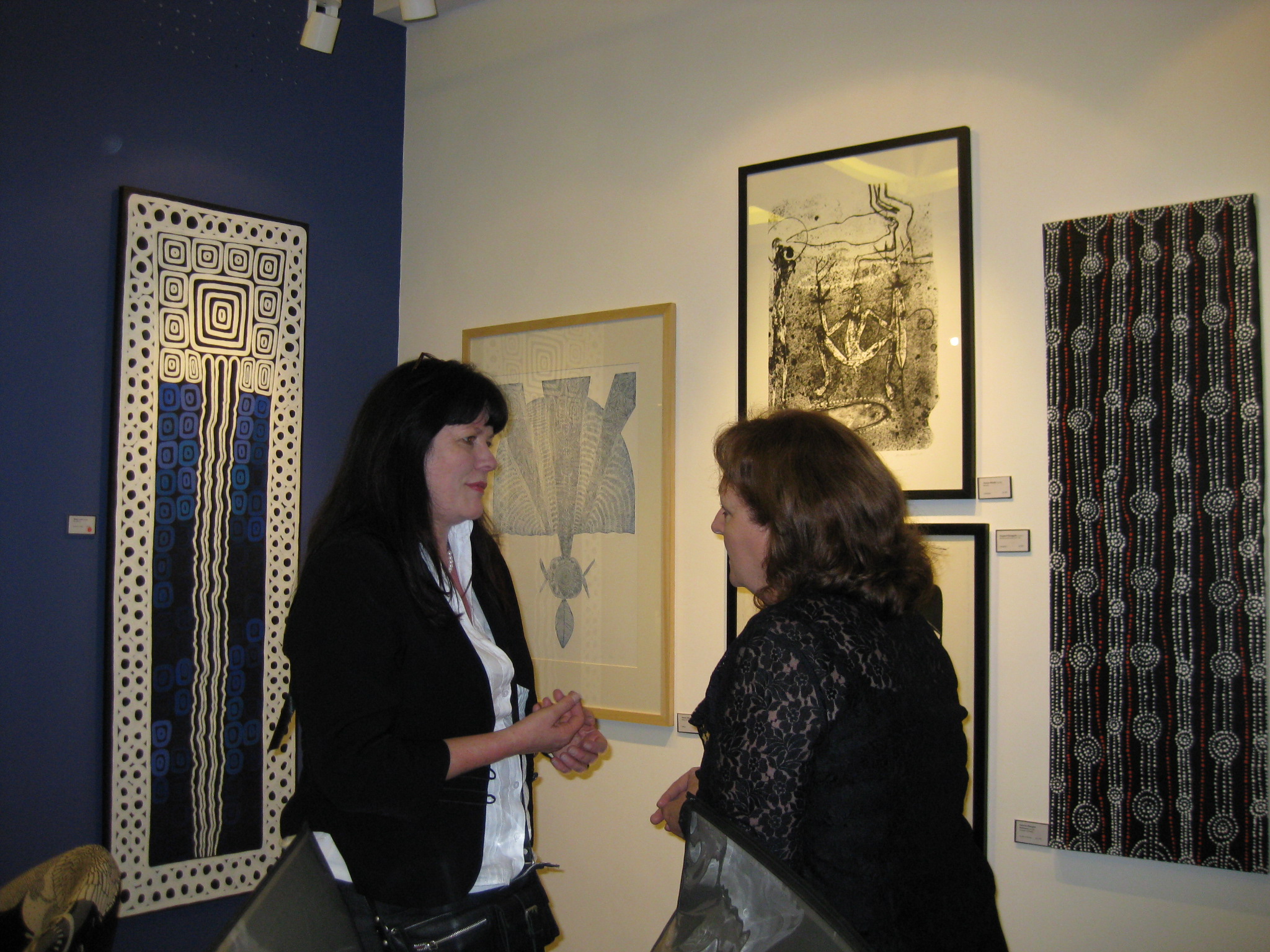
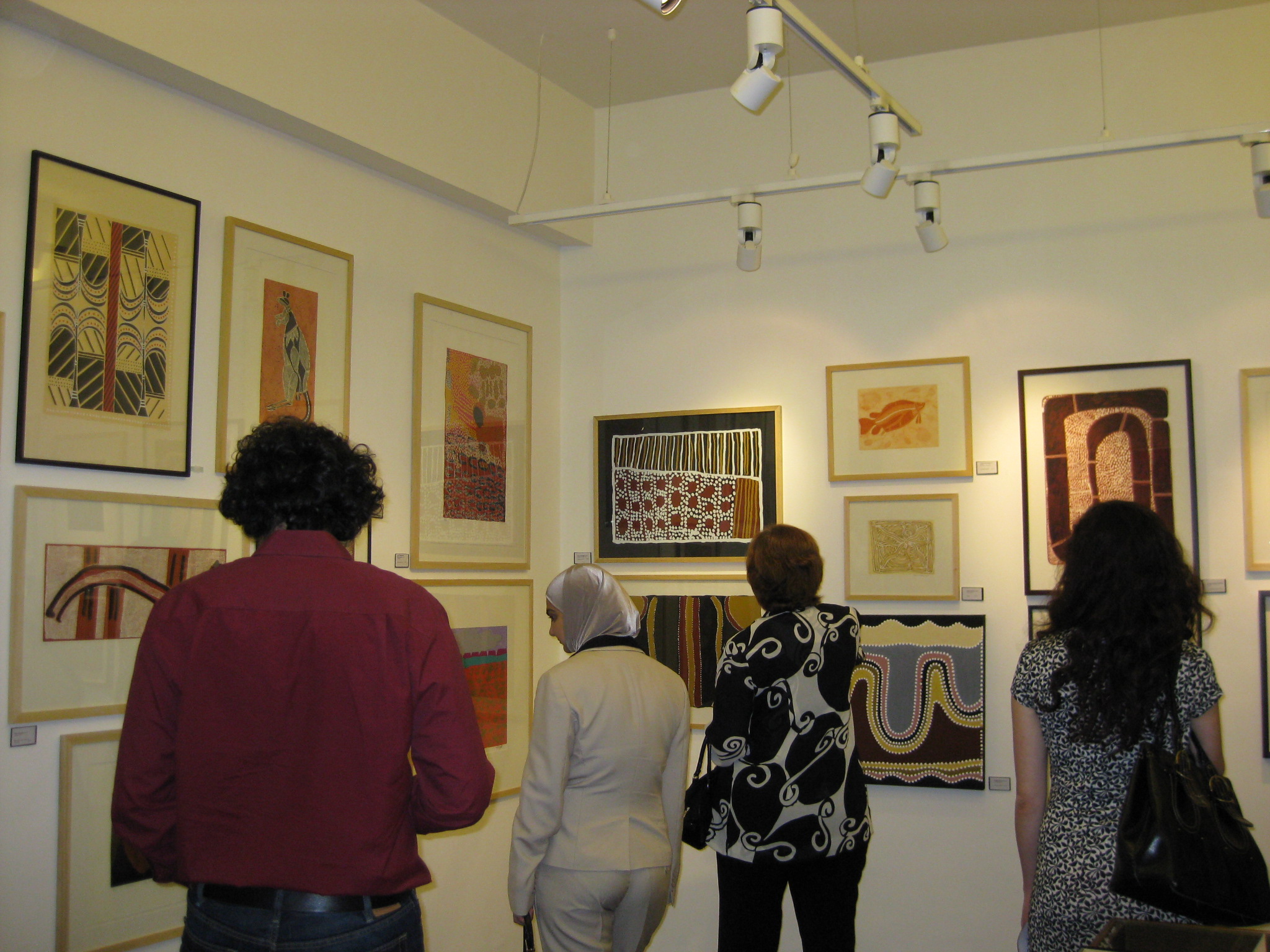
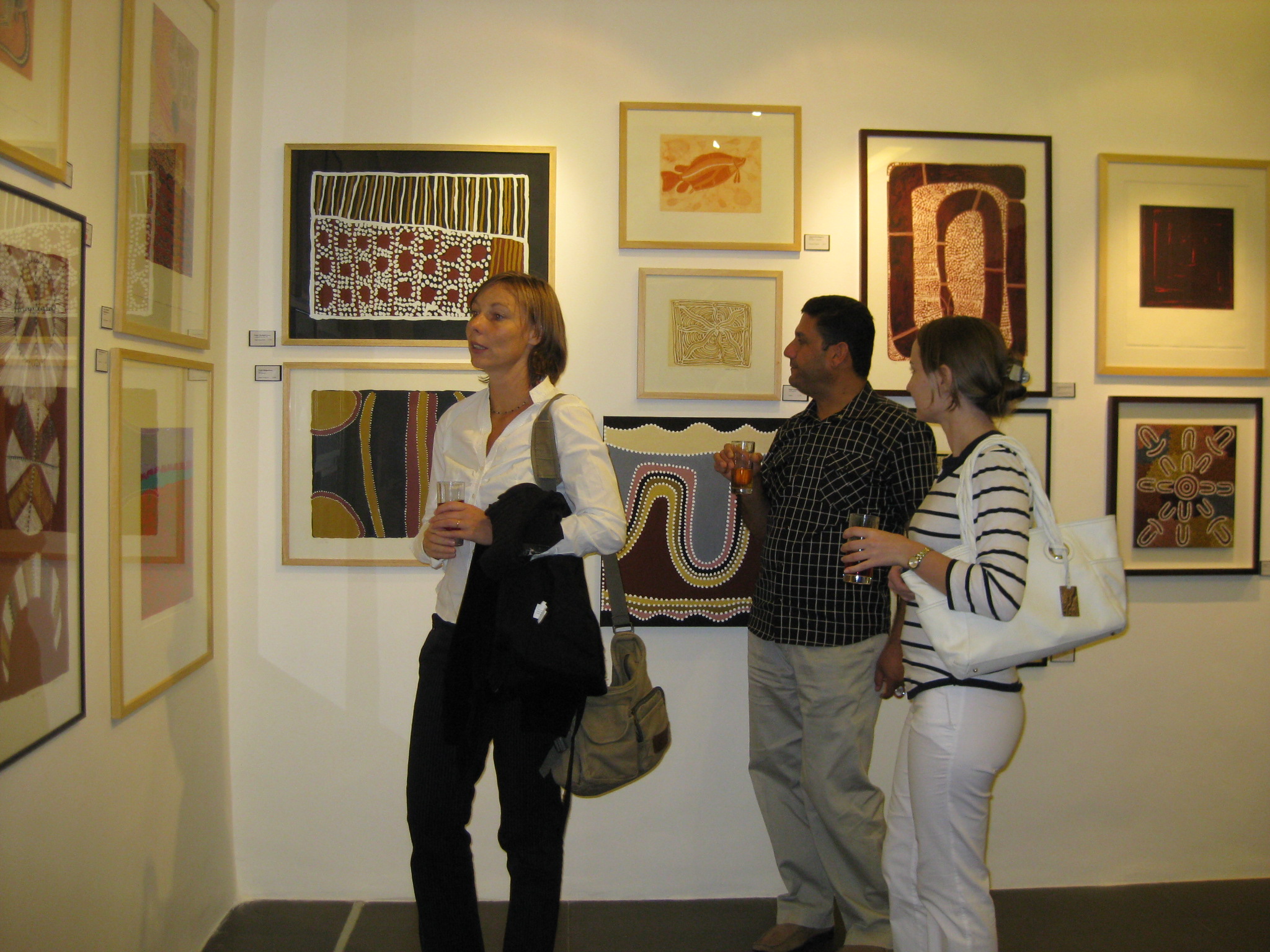
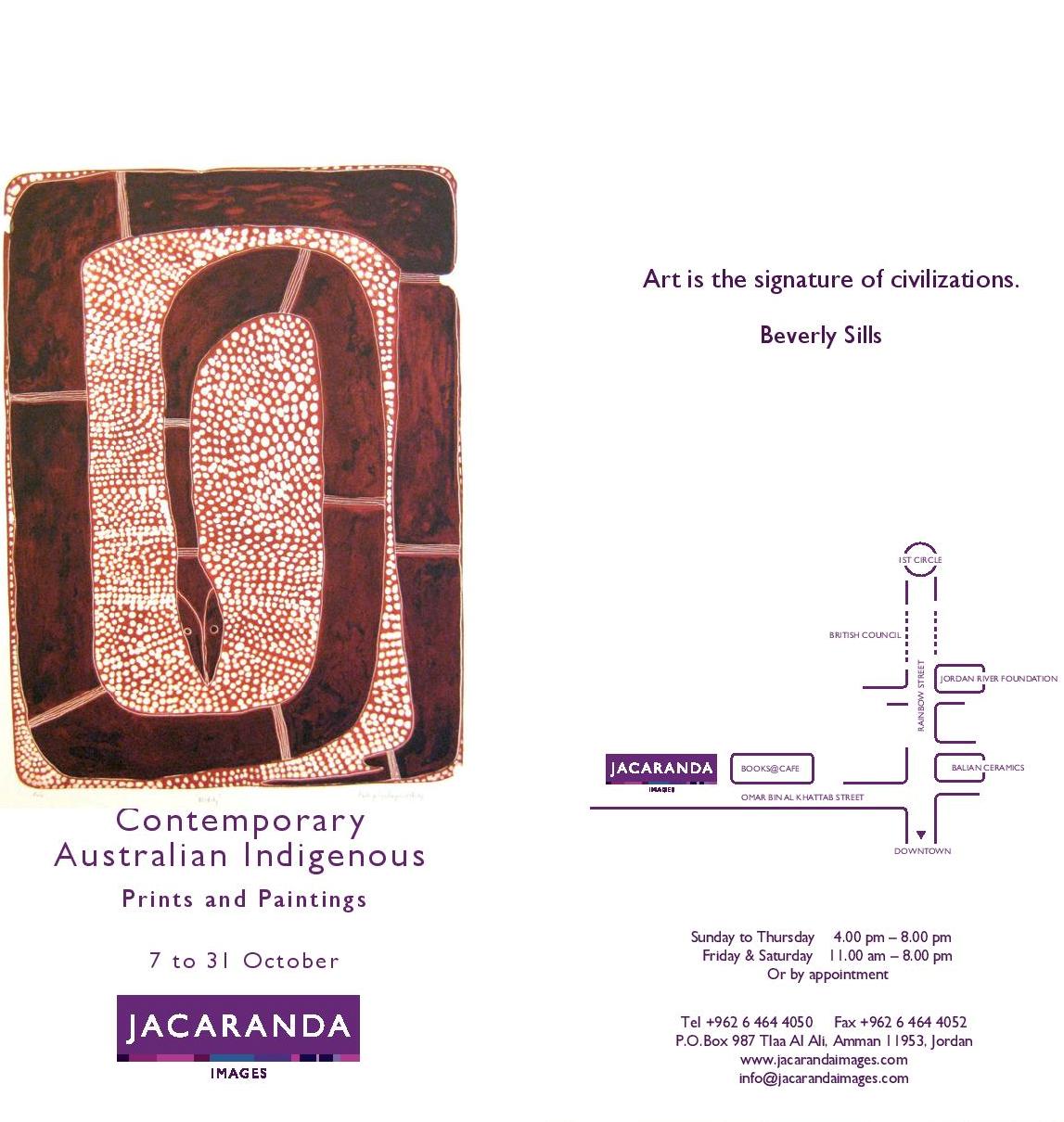
This collection is a celebration of Australian Aboriginal women artists and the beauty and uniqueness of their work.
Over the past thirty years women have been a leading force in the art movement. They have moved forward developing amazing new designs and interpretations of traditional “dreamings” and have created their own stories. It has not been easy for women in any society to break the bonds of tradition, to be empowered and become leaders. Yet Aboriginal women are doing just that and the artists are providing leadership and resources for their families and communities.
Art is the visual history of Aboriginal culture and it is changing constantly. The art is enabling young aboriginal children, men and women to heal and revitalize their culture. The themes of many women’s paintings historically have to do with their view of their land ,water, the flora and fauna and the activities of care giving, medicine plants, leaves and the gathering of “bush tucker” (food).
The themes have been passed down from mother’s to daughter’s and granddaughter’s. Each time the artists have interpreted the theme their own style changes the theme in some way stimulating innovation.
The ochre works of the Kimberley area, are distinct and unique from the Tiwi Island’s ochre paintings and fabric design and so on throughout Arnhem Land and other areas. Women are also venturing out on their own , painting their personal stories, designs and view of their world. Urban aboriginal women artists are flourishing and are exploring other forms such as film and photography to make their creative, social and political statements.
Women artists offer inspiration to other women ,men and young people as they embody aboriginal heritage , provide a visual history of the past ,a portrait of the present and optimism for the future.
> Aboriginal Artistic Heritage
Aboriginal artistic heritage is one of the oldest in the world. Rock paintings have been found that are 40,000 years old. Other forms of painting are related to ceremonial body painting and painting on the ground for a specific ceremony , an initiation, a healing or one of many significant events and painting of wood objects such as coolamons (bowls), sculpture or other ceremonial objects. For the most part this form of painting was temporary and gone once a ceremonial event or celebration was over.
Prior to 1788 when the European invasion started it was estimated that up to 500,000 people living in small groups throughout the continent enjoyed a well adapted rich life style which included highly developed language and a structured social system including laws based on a strong spiritual history and a ceremonial structure for enacting, teaching and celebrating that heritage.