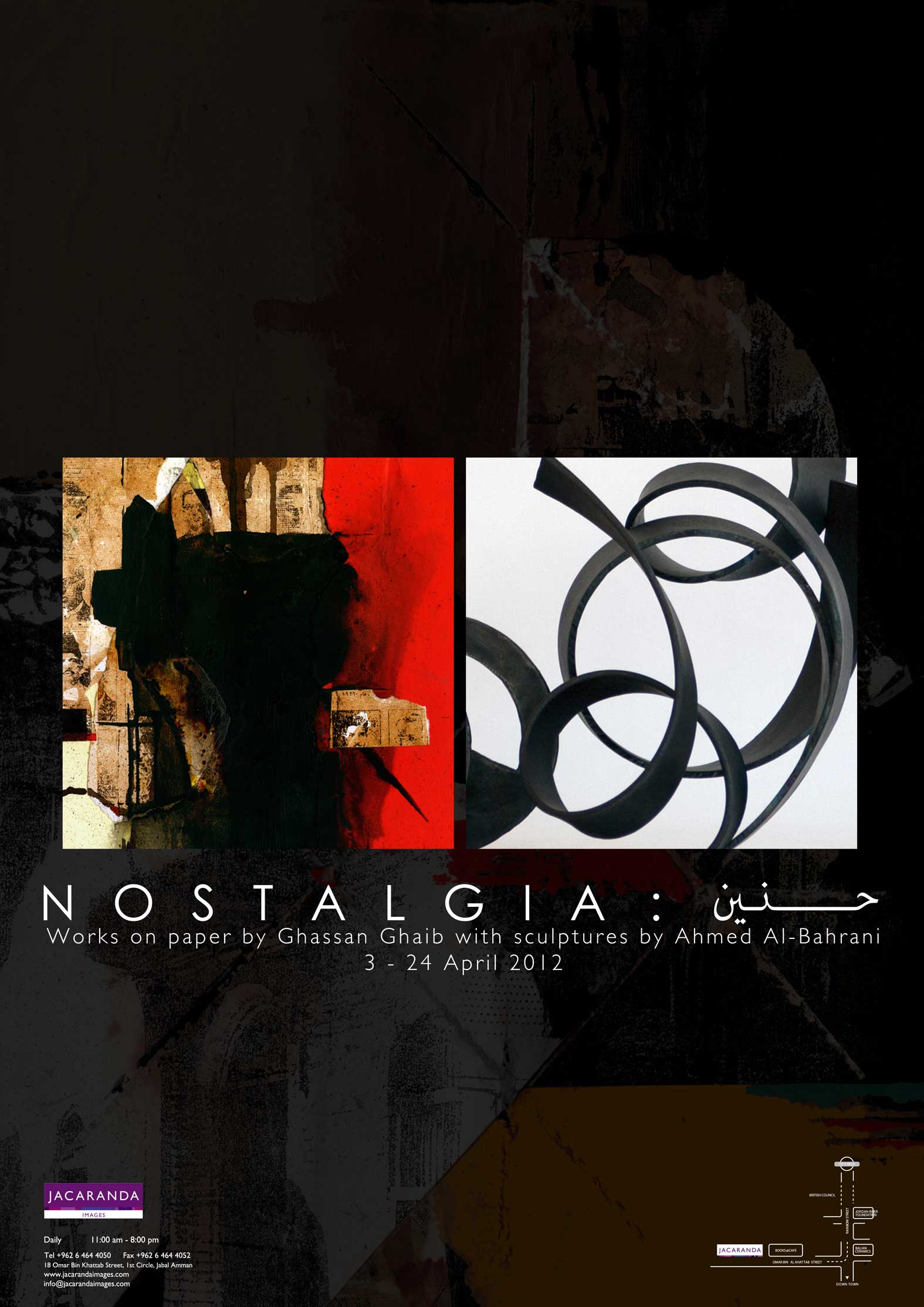
HANINE (NOSTALGIA)
Ghassan Ghaib with sculptures by Ahmed Al Bahrani
3 to 24 April 2012
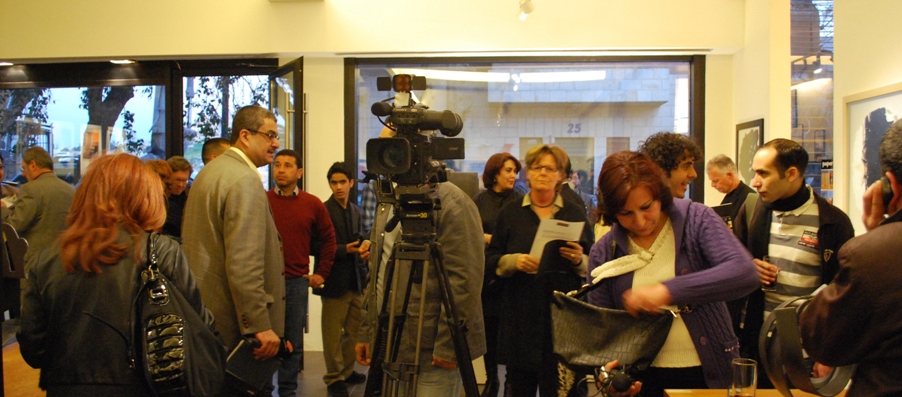
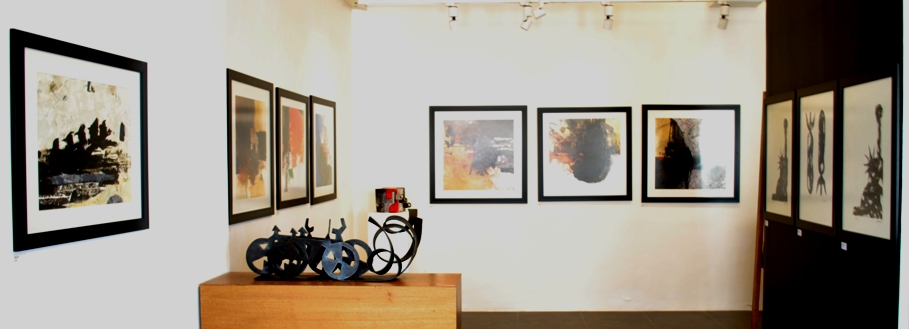
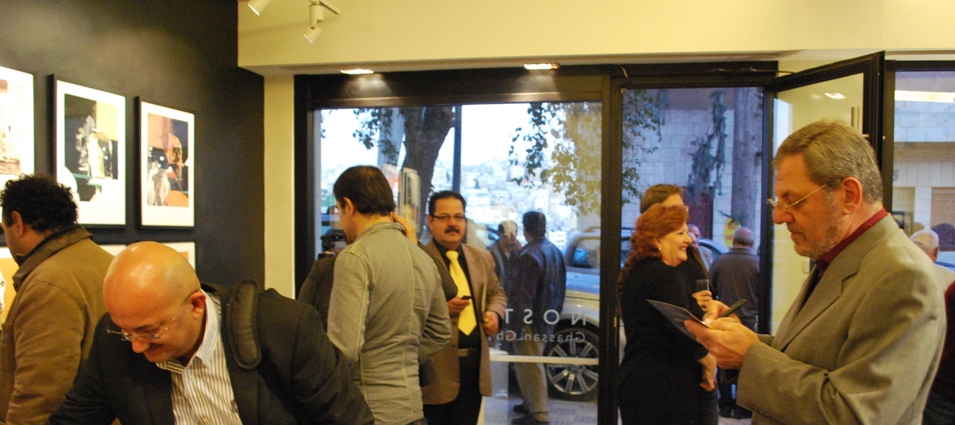
From a generation that has witnessed two wars and carried the effects from reality to art, the latest exhibition by Ghassan Ghaib, ‘Hanine’ (Nostalgia), coincides with the launch of his book Wissadat Al Malak/The Angel’s Pillow, an artistic autobiography. With fellow Iraqi artist, sculptor Ahmed Al Bahrani, ‘HANINE’ is about the constant emotions associated with living in exile from a place that is dear to the heart. The state of ‘longing’ is a sentimental but powerful force that infiltrates the psyche and creates a
framework of creative influence.
Ghassan Ghaib:
The state of ”longing” is an existential state that encourages the meditative process of alleviating pain through art, whether painting or sculpting. I have taken this state as the starting point to evoke the accumulation of feelings, memories and heritage. To me this state is a complex whirlpool that I was born into, and remains until this day the point of reference that I go to retrieve my safety and sanity in a world that continues to threaten both; especially when estranged from home. ‘Longing’ is a complete state of being that persists with each one of us. The longing for your past, your mother, your childhood, the neighborhood, the river…etc is always with us. My creations can be attributed to many elements – in picture, in reference, in emotion and in entirety so they evoke a high level of imagination and intuition. My work focuses on my sensory and visual relationship with Baghdad, the city which I love and which has been a quarry that I have constantly mined for inspiration.
Ahmed Al Bahrani:
My friend, Ghassan, invited me to join him in this exhibition about nostalgia – ‘Hanine’. I too have a longing for the place we left unwillingly a long time ago, the place our dreams were attached to. In our exile, we flirt with and test our memories till they translate into our artwork, a testament to our persistence in relating to home even if it is not physical but rather the emotional attachment.
Today I join the experience with my friend in provoking memories of my childhood home town, the Euphrates, my parents, our house and garden. Memories and places which would not desert me, neither would I desert them. In these memories I sense comfort and safety which were lost the moment I left, being in constant fear of tomorrow, the future and the exile.
Art by itself is the only thing to bring stability into my life and this exhibition is one of the results of a wonderful friendship with Ghassan Ghaaeb, the artist and the man, and we hope for an exhibition to be remembered.
Ghassan Ghaib
Ghaib was born in Baghdad, Iraq in 1964. He attended the Fine Arts Institute there where he received his diploma in 1986 and later received his BFA at the Academy of Fine Arts in Baghdad in 1997. He stepped out as a professional artist in 1985 participating in local and international exhibitions. He took part in The First International Iraqi Art Festival in Baghdad in 1986.
Since then, Ghaib has had worldwide exhibitions of his work, which includes oils on canvas and mixed media. His work is represented in the permanent collection of the Iraqi Museum of Modern Art. Ghaib has won several awards such as the 2000 Creativity Award in Baghdad. He participated in numerous exhibitions of contemporary Iraqi art and has taken part in exhibits from Baghdad to Beirut to Dubai to Frankfurt and Paris.
His work is held in the collections of the Arab Museum of Modern Arab Art, Doha; Art Center for Fine Arts, Baghdad; British Museum, London; and Jordanian National Museum, Amman. His recent work explores ideas regarding migration and nature, as well as the devastation of his homeland. Ghassan lives and works in Amman, Jordan although returning to Baghdad one day remains his ambition.
Ahmed Al Bahrani
Al Bahrani was born in Iraq in 1965, learning to mould figures out of the clay on the banks of the Euphrates River. He completed his education at the Fine Arts Institute in Baghdad, and received a Diploma in Fine Arts (Sculpture) in 1988.
Al Bahrani relishes working with material that challenges both his body and his creative spirit, predominantly iron and stainless steel. He encourages people ‘to stop thinking of iron as something that is heavy and inflexible, but to see that it is fluid, that it has movement and emotion in it.’
Al Bahrani has exhibited his sculptures around the region, including in Dubai, Lebanon and Yemen, among other countries, and his pieces have sold to private collectors around Europe, as well as in the United States and Japan and was commissioned to design the sculpture at the entrance to the Olympic Stadium in Qatar. He now lives and works in Qatar and, like Ghaib and other artists in exile, plans to return to Iraq in the future.